
 For Men


Gentridecme Cream 10g Treatment for atopic dermatitis, eczema, skin rash – Free shipping


Price range: $5.9 through $99.9
Gentridecme Cream to treat dermatitis 10g – Free shipping
Specialized in treating: Psoriasis, Lupus erythematosus, Itching, Atopic dermatitis, Contact dermatitis
- Веtamеthasone dipropionatе: 6.4 mg.
- Gentamicin: 10 mg;
- Clotrimazolе: 100 mg;
Please order 8 tubes or more to qualify for free shipping. Thank you so much
Get 1 free when buy 11 tubes
| Buy 01 | 5,9$ | Free ship |
| Buy 10 | 59,9$ | => 56,9 |
Gentridecme Cream 10g Treatment for atopic dermatitis, eczema, skin rash: Topical cream combining the anti-inflammatory and antipruritic properties of betamethasone with the antifungal activity of clotrimazole and broad spectrum antibacterial activity.
Composition:
- Веtamеthasone dipropionatе: 6.4 mg.
- Gentamicin: 10 mg;
- Clotrimazolе: 100 mg;
Indications:
Gentridecme Cream 10g Treatment for atopic dermatitis eczema is used to treat patients with acute and chronic eczema Contact dermatitis, atopic dermatitis skin rash.
Main ingredient is gentamicin sulfate used for topical treatment.
Eczema, including atopic eczema, fungus, childhood eczema and discoid eczema; itchy papules; psoriasis, neurodermatological diseases, including lichen simplex, lichen planus; seborrheic dermatitis; Allergic contact skin reactions: discoid lupus.
How to use Gentridecme Cream 10gr:
- Use 2-3 times a day. Apply required amount of cream on reddened area, massage until the cream is evenly distributed.
- For effective treatment, should be used regularly.
- Duration of treatment varies depending on the area and location of the affected skin and the response.
- Consult your doctor before use.
Contraindications: Hypersensitivity to the components.
| Product form | 1 box |
| Quantity | 1 tube 10 g |
| Storage conditions | Store at a cool place, protect from direct sunlight. |
| Country of production | Vietnam, Phil Inter Pharma Co |
| Expiration date | 3 years from date of manufacture |
Contraindications Patients hypersensitive to any components of the medication.
Side Effects
- The following undesirable effects may occur when using the medication: burning sensation, itching, rash, swelling, secondary infection, erythema, blisters, peeling skin, hives, and skin irritation.
- As with other topical corticosteroids, when used in large amounts over a prolonged period or on extensive skin areas, the medication may be absorbed systemically in amounts sufficient to cause signs of hypercorticism. This effect is more likely to occur in infants and children and during occlusive treatment.
- Inform your doctor of any undesirable effects experienced while using the medication.
Precautions
- Caution in Use The medication should not be used extensively or for a long duration. It should not be used under occlusive dressings.
- Topical corticosteroids used to treat psoriasis may be harmful to patients due to rebound reactions, with a risk of pustular psoriasis and local and systemic toxicity caused by impaired skin barrier function.
- Pregnancy and Breastfeeding This medication should only be used in pregnant women when the benefits of treatment outweigh the potential risks to the fetus, as there is insufficient evidence of the medication’s safety in pregnant women.
- Drug Interactions No reports of drug interactions.
Note: Do not use this medication for the eyes.
Some Infomation About fungal skin infection
1/ What is a fungal skin infection?
A fungal skin infection is a common condition that affects skin health, aesthetics, and the quality of life of those affected. A fungal skin infection (also known as superficial fungal infection) occurs when fungi invade and grow on the skin. This infection can occur in many areas of the body, including nails, scalp, and hair.
Fungi spread by releasing spores into the environment, and many types of fungi can thrive within a living organism. On the surface of the skin, there is a symbiotic community of microorganisms, including fungi. Under normal circumstances, these fungi do not cause disease. However, in certain favorable conditions (such as moisture, poor hygiene, injuries, prolonged use of topical antibiotics, or weakened immunity), fungi can overgrow and lead to skin infections.
Fungi flourish in warm, moist environments, so areas of the body that sweat a lot, like the armpits, groin, and feet, are at higher risk for fungal infections. Fungal skin infections often appear as red or white patches, sometimes darker, and may cause itching and stinging, especially when sweating. Although anyone can develop a fungal infection, people with weakened immune systems are at greater risk.

2/ Some common types of fungal skin infections
- Tinea corporis (ringworm): Red, circular patches on the body.
- Tinea pedis (athlete’s foot): Affects the feet, causing scaling and itching.
- Tinea cruris (jock itch): Affects the groin area, causing itching and redness.
- Tinea capitis: Affects the scalp and hair, leading to hair loss.
- Onychomycosis: Affects the nails, causing them to thicken and discolor.

3/ Is a fungal skin infection dangerous?
Fungal skin infections are not life-threatening, but they can significantly impact health, appearance, and quality of life. The symptoms, such as itching, burning, and redness, can cause discomfort if left untreated. Additionally, untreated fungal infections can spread to other parts of the body or to other people.
4/ Treatment measures for fungal skin infections
- Treatment principles: The use of antifungal medications should be continuous, with adequate dosage and duration. Most cases are treated with topical antifungal medications, but in cases of widespread infection or difficulty treating locally, oral antifungal medications may be prescribed. Hygiene and proper care are essential to prevent the spread of infection, along with following treatment protocols and adopting preventive measures to avoid transmission.
- Some commonly prescribed medications:
- Ointments: Benzosali, topical antifungals like miconazole, clotrimazole, ketoconazole.
- Oral medications: Griseofulvin, terbinafine (highly effective for skin infections, especially nail fungus), azole group such as itraconazole, fluconazole.
- Topical solutions: ASA, BSI, etc.
| Weight | N/A |
|---|---|
| FOMULATION | Cream |
| BRAND | Gentridecme |
| PRIMARY USE | Pain $ Fever Relief |
| COUNTRY OF MANUFACTURE | Viet Nam |
| MANUFACTURER | Vietnam, Phil Inter Pharma Co |
| QUANTITY | 1 tube, 10 Tubes, 11 Tubes, 20 Tubes |
Be the first to review “Gentridecme Cream 10g Treatment for atopic dermatitis, eczema, skin rash – Free shipping”
Related products

Pain & Fever Relief
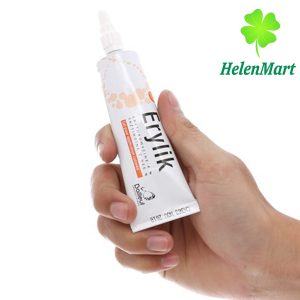
Erylik Gel Acne Treatment Treating Severe Acne – Free shipping


Pain & Fever Relief

Pain & Fever Relief

Pain & Fever Relief
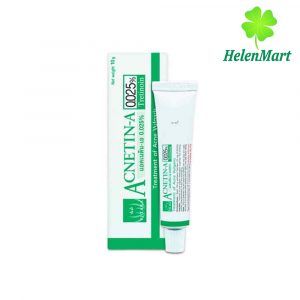
Helenmart Acnetin A 0.025% Treatment of acne vulgaris – Free ship


Health Care Supplies

Health Care Supplies
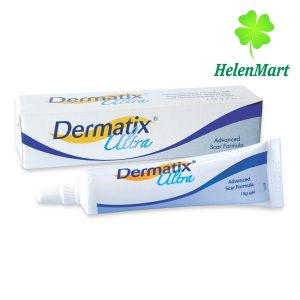
1 tube 7g Dermatix Ultra Advanced Scar Gel – Surgery Keloid Wounds – LONG DATE


Pain & Fever Relief

Reviews
There are no reviews yet.